










 Dedicated Engineering
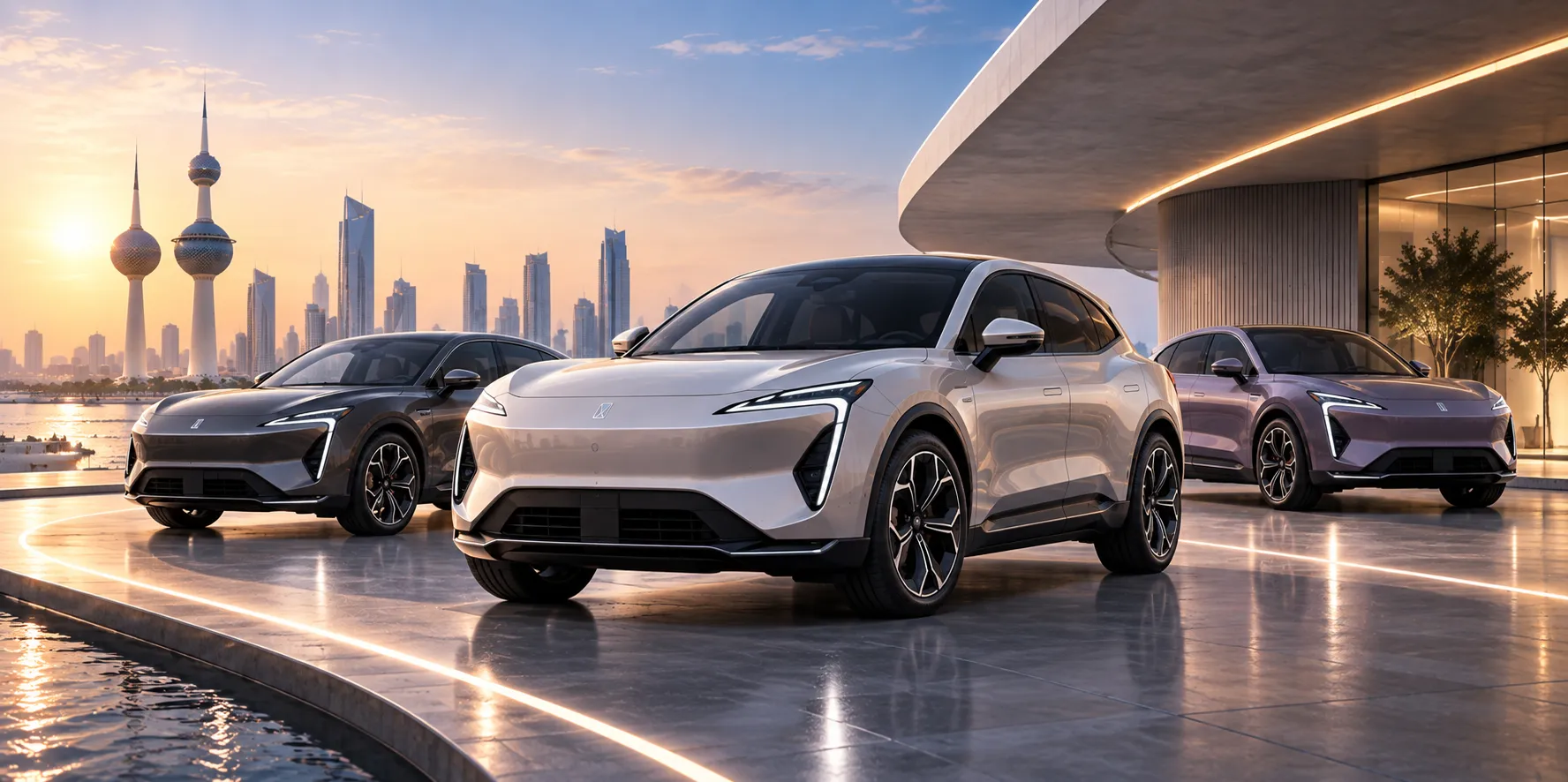
AVATR Kuwait — Dedicated Frontend & Backend Engineering Team
Embedded product engineers and UI/UX specialists delivering an enterprise automotive platform on an accelerated timeline.
Read full case study →
The person watching your video doesn't care about your brief, your brand guidelines, or your internal approval process. They care about whether the next five seconds are worth their attention. We edit with that person in mind at every cut.
Good editing isn't about adding things. It's about removing everything that slows the real story down. We watch everything, find the thread, and build the edit around that — not around a template.
Color grading isn't a finishing step. It sets tone, directs attention, and tells the viewer how to feel before a single word is spoken. We treat it as a creative decision, not a technical correction.
Getting someone to press play is marketing's job. Keeping them watching is the editor's. We make structural decisions — hook placement, pacing, information sequencing — that hold attention through to the end.
Different aspect ratios, caption requirements, compression settings, thumbnail moments — we build these into the delivery process by default so you're not chasing format variants after the fact.
The best editors bring something back from every job. New techniques, new ways of solving old problems, new instincts about what works. That's what compounds over time into genuinely distinctive work
Trusted by fast-growing DTC, retail, and enterprise brands
We place editors who understand what business video actually needs to do — communicate clearly, hold attention in a meeting room or a LinkedIn feed, and represent the brand without feeling like a PowerPoint with music. Internal comms, investor decks, product explainers — edited to inform, not just to impress.
Short-form has its own grammar. Hook placement, caption timing, loop structure, aspect ratio decisions — editors who don't think natively in short-form produce long-form video with bits cut out. We place editors who understand the difference and build for it from the first cut.
When the video needs to do more than inform — when it needs to make someone feel something — the edit carries most of that weight. Pacing, music selection, color tone, sequence structure. We place editors who treat brand films as directorial work, not assembly.
Long-form editing is a different discipline. It's about finding the narrative buried in hours of footage, building tension across sequences, and keeping viewers engaged without the safety net of a short runtime. We place editors who've done this at depth, not just in passing.
Product videos fail when they show features instead of outcomes. We place editors who know how to sequence a product story — what to show first, where to slow down, where to let the product speak without narration getting in the way.
One great video is a moment. A consistent output of well-edited content is a strategy. We place editors who can work at volume without letting quality become a casualty of turnaround time.
These projects didn't start with great footage and easy briefs. They started with tight deadlines, complicated stakeholders, and raw material that needed real editorial judgment to become something worth watching. Each case shows exactly what that judgment looked like in practice.
Dedicated EngineeringEmbedded product engineers and UI/UX specialists delivering an enterprise automotive platform on an accelerated timeline.
Read full case study → Dedicated Tech Team
Dedicated backend, database, and mobile specialists collaborating closely with internal stakeholders from blueprint to rollout.
Read full case study → Extended Product Team
Ongoing storefront engineering, catalog optimization, and visual design support tailored for high-velocity retail.
Read full case study →Most videos fail quietly. Not because the footage was bad. Because nobody made a decision about what the edit was supposed to make someone feel — and the viewer sensed that absence without knowing why.
Our video editors start with that feeling and work backwards. What does this person need to experience in the first five seconds? Where does the story turn? What's the last thing they should carry with them after the final frame? The technical part: pacing, color, sound, structure and son, is in service of that. Always.
We don't start cutting until we're clear on the story, the audience, and the one thing the video needs to land. Editors who skip this step produce technically competent video that nobody finishes watching.
We don't arrange clips in order and call it an edit. We make deliberate decisions about where attention goes, when it needs a reason to stay, and what the viewer should feel at each moment. That's what separates edited video from produced video.
Feedback rounds are where most edits lose their shape, chasing every note until the original instinct is gone. We take direction well, push back when something would genuinely hurt the work, and protect the edit's integrity through every round.
One video a month and one video a day require different editorial muscles. We place editors who can handle volume, maintain consistency, and keep quality from becoming a casualty of turnaround time.
“Triserv 360 didn’t just deliver a project — they aligned technology, workflows, and execution around how our business actually runs, giving us a system that scales effortlessly.”

Long-term engineering & digital partnership delivered by Triserv 360
Common questions about hire video editor with Triserv 360.
Hiring a professional video editor ensures your raw footage is turned into a clear, engaging story. A skilled editor improves pacing, adds structure, enhances visuals, and keeps viewers watching till the end — which directly impacts engagement and conversions.
The best editorial hires need a brief and a deadline — not constant direction. They flag problems before you notice them, push back when a note would hurt the work, and deliver cuts that need fewer rounds to get right.